
Full dentures and partials
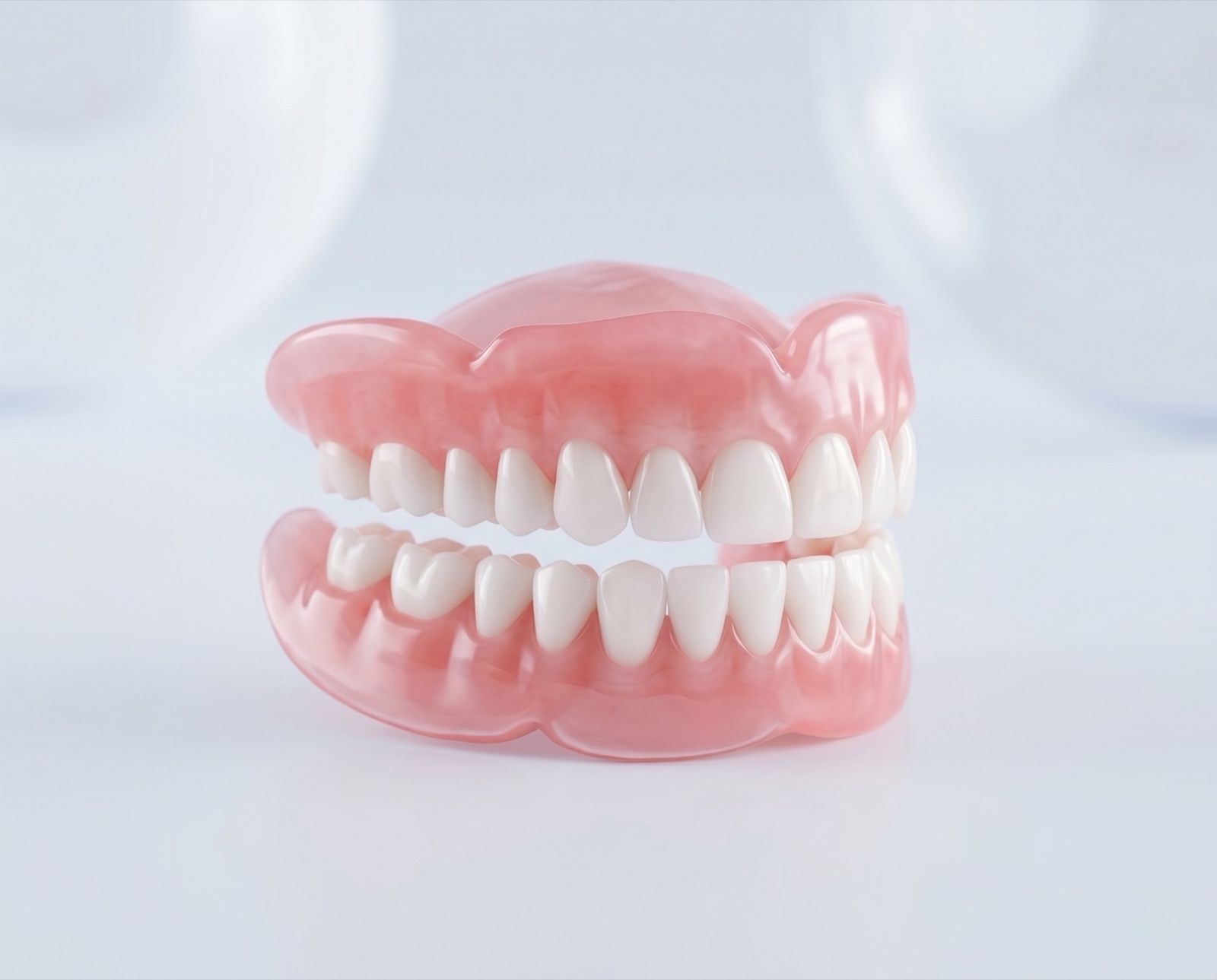
- A full denture replaces all the teeth in the upper jaw, the lower jaw, or both.
- A partial denture replaces some teeth. It fits around the teeth you still have and clips onto them.
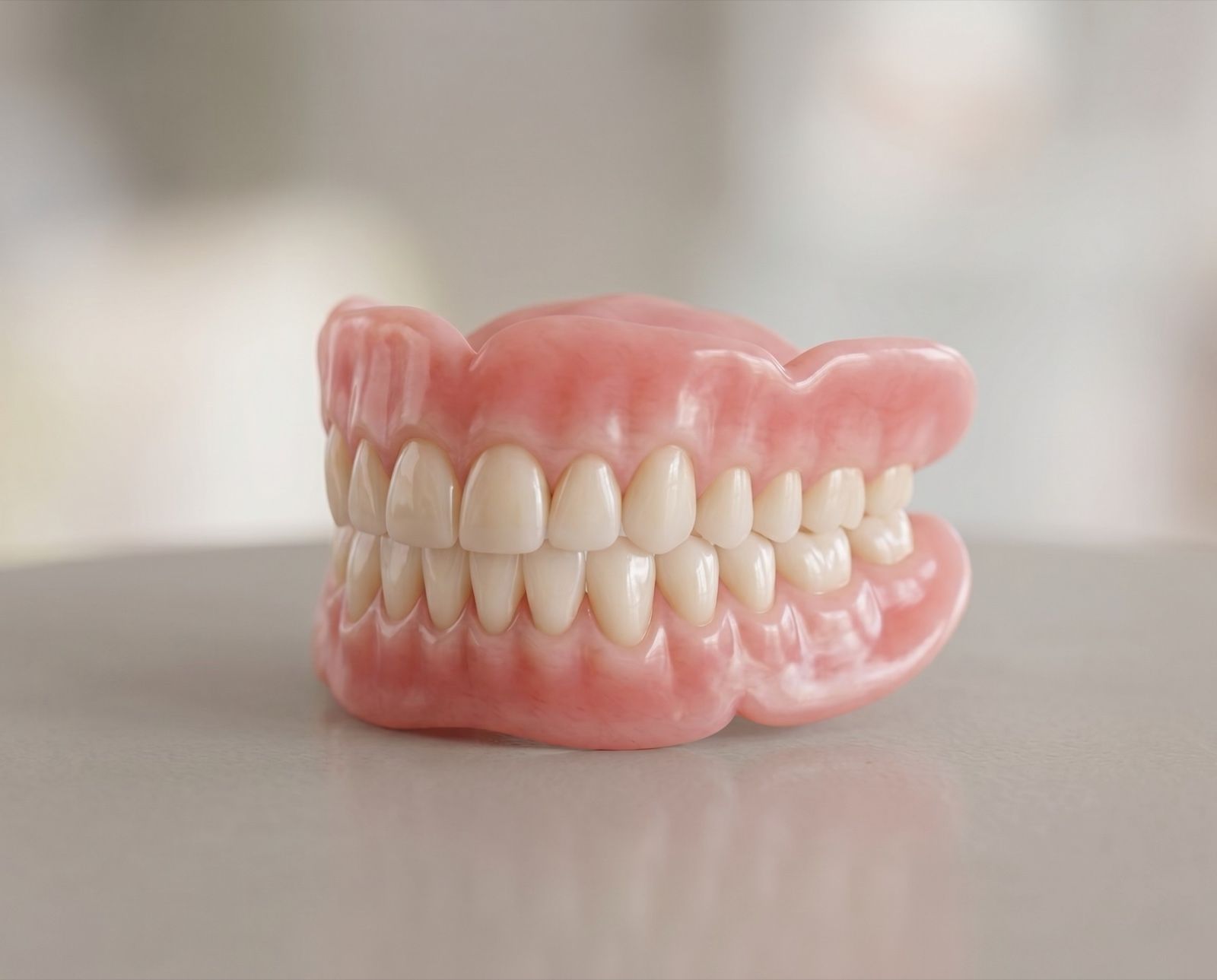
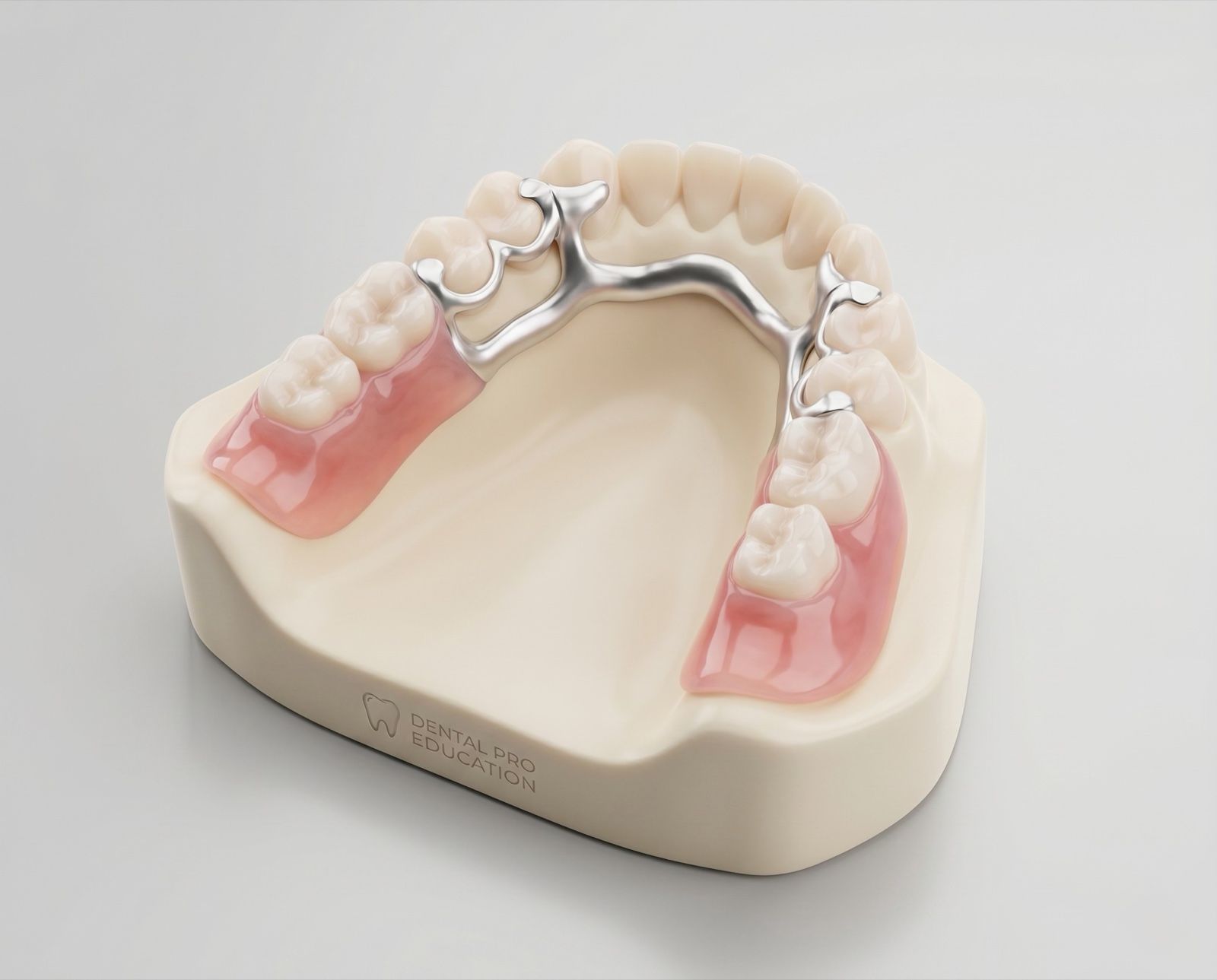
Both come out for cleaning and at night.
An upper denture covers the roof of the mouth and is held in place by suction. A lower denture sits on the ridge of the gum, so it moves more. That is normal, and it is the most common thing people have to get used to.
Other kinds of dentures
Immediate dentures. An immediate denture is made before your teeth are taken out and put in the same day, so you are not without teeth while you heal. Your gums shrink as they heal, so an immediate denture gets loose and needs to be refitted, and sometimes replaced, a few months later.
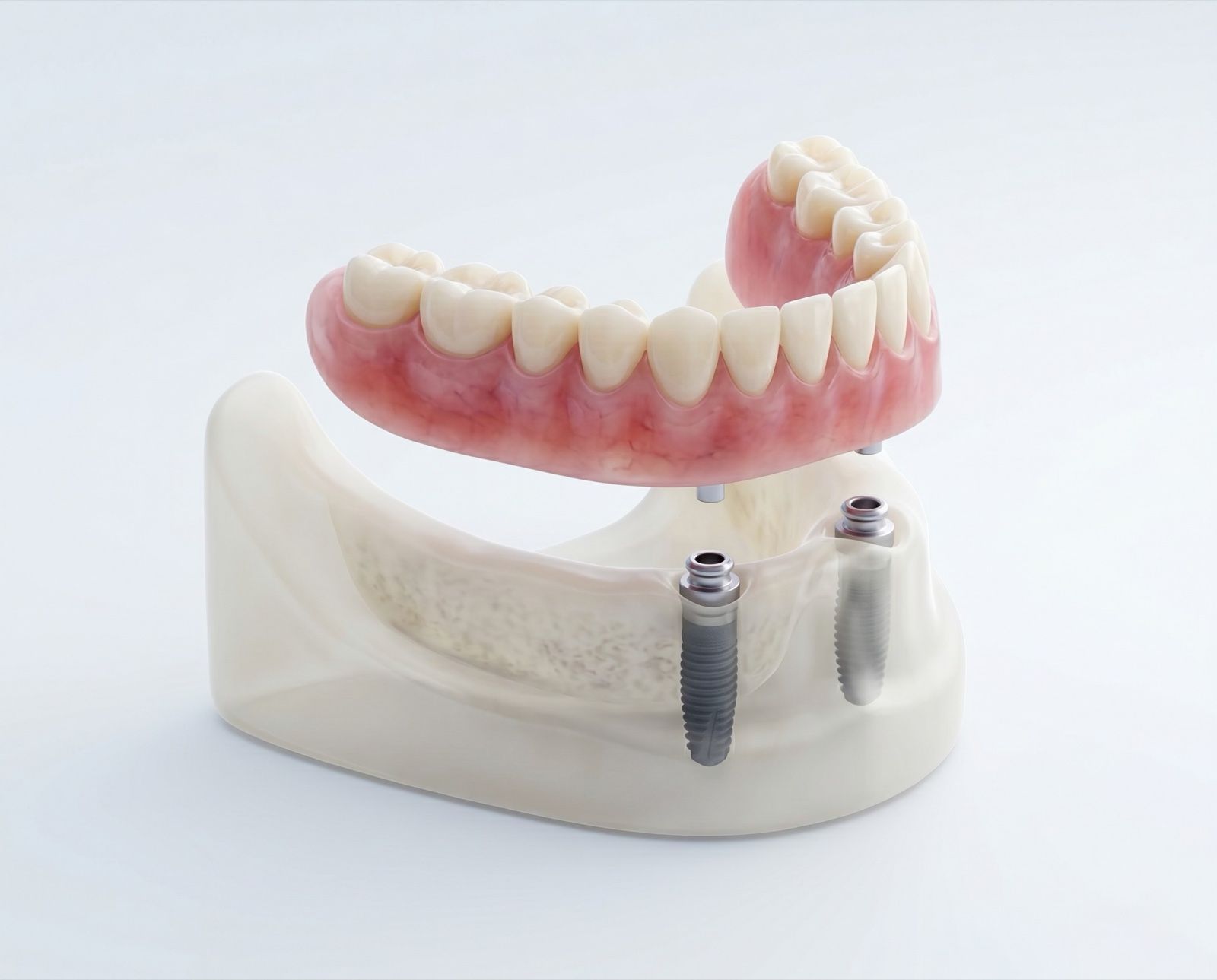
Dentures that snap onto implants. A denture can be made to clip onto dental implants. It still comes out for cleaning, but it is held much more steadily than a denture that rests on the gums.
Ask us which of these could be a choice for you.
How a denture is made
Making a denture takes several visits and time at a dental lab.
- We examine your mouth and take X-rays. If teeth need to come out first, we plan that with you.
- We take impressions or digital scans of your mouth.
- We check the fit, the bite, and how the teeth look before the denture is finished.
- You take the denture home, and come back so we can adjust it.
Getting used to it
New dentures take time to get used to. Eating and speaking feel different at first. Sore spots are common in the first weeks. Come back so we can adjust the fit. Do not try to adjust a denture yourself.
Your gums and jaw change over time, so a denture that fit well can become loose. Keep coming for checkups so we can look at the fit and at the health of your mouth.
Caring for your dentures
- Take them out and rinse them after you eat.
- Brush them every day with a soft brush and a cleaner made for dentures. Regular toothpaste is too rough and scratches them.
- Take them out at night and keep them in water or a denture soak, so they do not dry out and change shape.
- Do not use hot water. It can warp them.
- Clean them over a folded towel or a sink of water. Dentures can break if they are dropped.
- Brush your gums, your tongue and any teeth you still have, every day.
Good to know
- Dentures replace many teeth at once without implant surgery, and they usually cost less than implants.
- They do not chew as well as natural teeth, and they can slip, the lower one most of all.
- The jawbone slowly shrinks where teeth are missing. That is why dentures get loose over the years and need to be relined or remade.
- A partial clips onto your remaining teeth. Keeping those teeth clean matters, because the partial depends on them.
Other choices
Bridges and dental implants are other ways to replace missing teeth. We will go over what could work for you.
Cost and insurance
What dentures cost depends on the kind of denture and on whether teeth need to come out first.
- Dental insurance. Many plans pay part of the cost of dentures, usually with a limit on how often they will pay for a new set.
- Louisiana Medicaid. Medicaid has a denture program for adults 21 and older. It has limits on how often it pays, and it has to approve the denture ahead of time.
- No insurance. You can still be seen. We accept Cherry and CareCredit payment plans.
Before any treatment starts, ask us what it will cost and what your plan is expected to pay. See insurance and cost.
Common questions
How long does it take to get dentures?
Making a denture takes several visits and time at a dental lab. If teeth have to come out first, the gums need time to heal before a final denture is made, and that can take a few months. Ask us about a timeline for your own case.
Will I have to go without teeth while I heal?
Not always. An immediate denture is made before your teeth come out and is put in the same day. Ask us whether it is a choice for you.
Can I sleep in my dentures?
Take them out at night. Your gums need the rest, and the dentures need to be cleaned and kept wet.
Will dentures change how I eat and talk?
At first, yes. Start with soft foods cut into small pieces, and chew on both sides at once to keep the denture steady. Reading out loud helps you get used to speaking with them. It gets easier over the first few weeks.
My denture is loose. Do I need a new one?
Not always. Your gums and jaw change over time, and a denture that has become loose can often be relined, which means refitting the inside to match your mouth as it is now. Bring it in and we will look.
Does Louisiana Medicaid pay for dentures for adults?
Louisiana Medicaid has a denture program for adults 21 and older. It can pay for the exam, the X-rays and the dentures, with limits on how often, and it has to approve the denture ahead of time. Medicaid's own adult benefit does not pay for taking teeth out, although some Healthy Louisiana health plans add something toward that. Call us with your card and we will check what applies to you.
What is the difference between a partial denture and a bridge?
Both fill a gap. A partial denture comes out for cleaning and can replace several teeth in different places. A bridge is fixed in place and is held by crowns on the teeth beside the gap. See crowns and bridges.